
Category: Infertility awarness



Tips to help treatment
1. keeping a healthy weight. increases ones chances of pregnancy by any method.
According to the NHS, a weight under BMI of over 25 is ideal, they recommend that couples trying to get pregnant work toward achieve a healthy weight. It is thought that an obese woman may have hormonal issues which may impede pregnancy. Follow a healthy exercise and diet plan with your doctor will help you achieve the right weight for your height.
2. it is recommend that adults embark on 150 mins moderate to light mins exercise a week. Exercise activity which increases the heart rate helps to lower blood pressure, fight diabetes and increases a couples chances during IVF.
3. consume coffee in moderation. Some scientific research suggest that women undergoing IVF should consume no more than 3 cups of coffee daily. Too much caffeine can make it difficult to fall pregnant.
4. Start trying early: age plays a huge part in both natural conception and IVF pregnancy. the chances of a woman falling pregnant over 35 declines significantly. It is advise to seek treatment as soon as you start to try without success… The miracle of medicine means that more couples are become parents with the help of donor eggs and adopting. So don’t despair, you can still become a parent.
5. do not smoke, it is though that the quality of egg and sperm is affected by smoking. Before undergoing treatment speak with your doctor on how to quit.
6. Take measures to reduce your stress level. IVF is stressing enough, Being stressful will interfere with both the quality of egg and sperm. incorporate some mediation, yoga, pilates and acupuncture into your daily life to help reduce stress.
sources: NHS ENGLAND
Debbie
Your partner in Hope
Related post.
How to Cope With the Stress of Infertility
How to Cope With the Stress of Infertility
spread This


Extracts from Glamour: Amirah Vann her journey to motherhood
Welcomed her baby girl, congratulations to her family.
I was so inspired by the article she wrote in Glamour I decided to share it here.
Many of us expect to recognize the “perfect time” to have a baby. The reality is that timing may never come. But in this life-altering year, how does one even consider bringing in a new life?
My fiancé Pat and I planned it, using ovulation test strips to know when would be the optimal time. But when it came down to taking the pregnancy test, I was uneasy. I told Pat, “I don’t think you left the stick in the urine long enough.” Then he showed me the result.
But in that moment of unspeakable joy, I realized there is no perfect time, no foolproof season. In a year marked by fear, I remained grounded in the notion that our foremothers had children, intentionally or not, under far worse conditions than those we face today. It doesn’t matter whether you are 40 or 20—the world doesn’t adjust to your life; the career doesn’t stop for you. You have to decide this is what you want.
Read the rest here. Baby
No matter your situation and your story, there is always a possibility you are next in Line.
Parenthood is many thing but one thing is certain, there is always joy in the mist of pain. Ensure the pain and joy will flow in the end.
Your Partner in Hope
D’Ebi
spread This


To add or not to add
According to a recent report by an Australia IVF specialist, standard IVF works therefore there is no need for expensive adds on.
for instance
ICSI which stands for Intracycloplastic was developed in 1992 as a way of treating male infertility. However, a growing number of clinics are now using it for men with normal sperm count.
A recent article in the medical journal the lancet based on data from Vietnam, reports that ICSI although much expensive, does not improve the chances of success.
Their hunch is that “doctors may recommend it for fear of patients’ reactions if the eggs don’t fertilise, even if ICSI doesn’t improve the ultimate chance of a baby for those with a normal sperm count.”
Couples with infertility belong to a very vulnerable group who will do almost anything to achieve a pregnancy. They deserve our dedicated care and evidence-based treatment.” The report concluded.
So before accepting all that’s recommended by your clinic,
- review your results.
- Ask specific and detailed questions.
- Undertake your own research into your own Diagnosis,
- Review the data available and read the latest in medical intervention and their successes.
- Make your own mind up and resist pressure from your clinic.
I know it’s difficult to argue with the doctors and the presumption is that they know what they are doing. But when it’s your body and issue, you can certainly ask questions and be satisfied that what you are paying for is absolutely necessary. And lastly, be positive and know that whatever is in store for you will be nice.
Your Partner in Hope
Debi
spread This


Fertility Awareness
It was national fertility awareness week recently and I want to highlight some stats about.
In some countries like Canada, more people are living with infertility than diagnose with lung cancer which is the leading cause of death in Canada.
According to Dr Gaberielle Cassir, who appeared on the Global News in Montreal. Up to 15 % of couples are infertile and the numbers are rising.
There are various causes of infertility: which ranges from the rising age of women having babies as more women are putting off having children later, to unexplained infertility.
There is no perfect answer the specific causes are evenly divided
in 35% of cases, the causes of infertility is due to problems with the pelvic or fallopian tube abnormality.
10% of cases relates to unexplained causes which is usually hard to deal with.
35% male factor
15% ovulatory disfunction.
It is important to create awareness on the causes of infertility to make sure that couples seek help quickly and avoid unnecessary delays which might lead to more problems later.
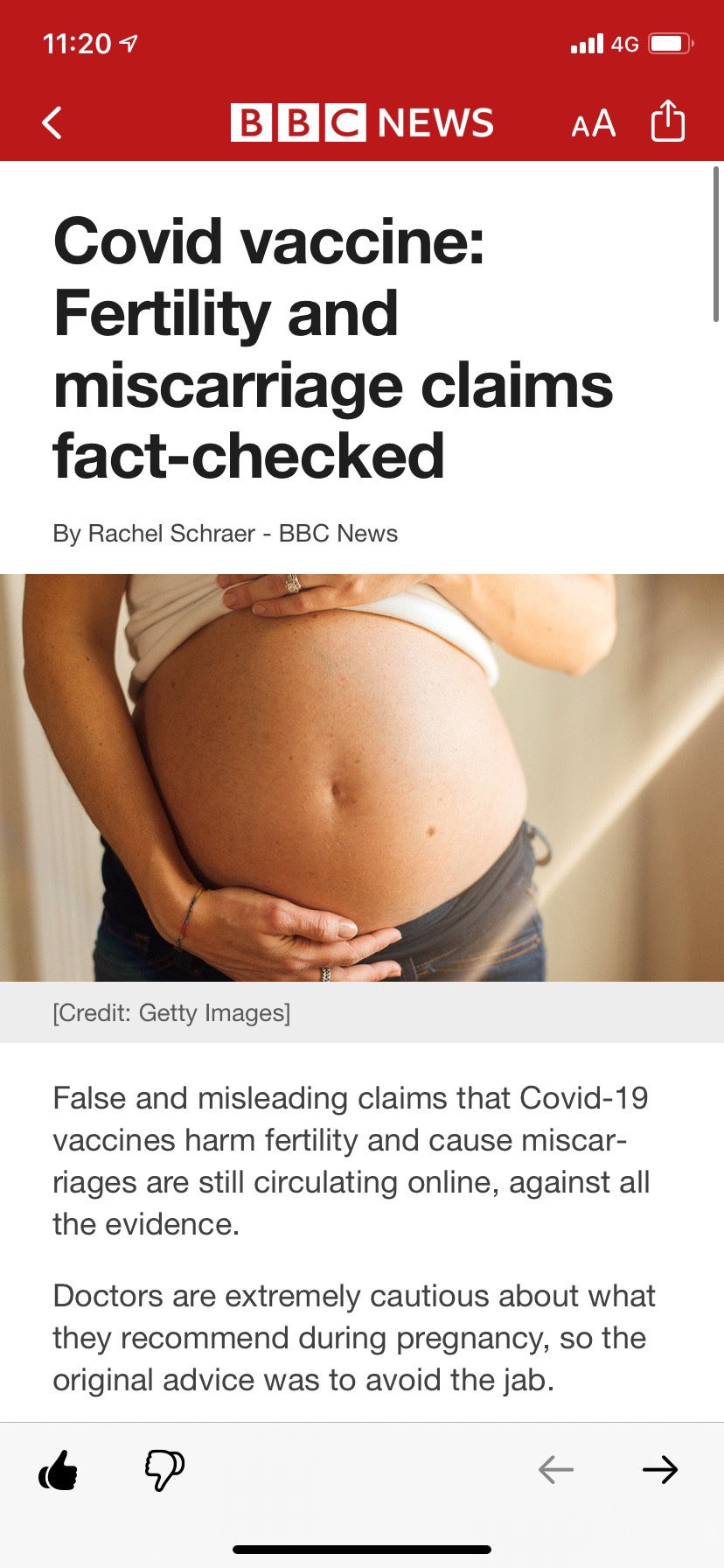
Currently the world is also dealing with covid and there are various theories on its impact on fertility.
Again, it is generally agreed in the medical world that this is fueled by myth being propagated on social medial.
While is it normal to question the impact of a new vaccine on ones fertility, it is also important to look at the data.
If you are worried speak with your doctor and find out all you need to know about the vaccine.
Is it necessary to talk about fertility issues with the young generation?
I think it is : this is because the first time most couples become aware of the issues surrounding fertility is when they start to try to have a baby, I think talking about it earlier in a young person’s life may be the difference between delays in seeking help and waiting for miracles to happen.
The emotions we feel are common emotions and are distressing and these can cause a huge physiological toil.
Society can prepare youth for the chances of infertility and open an avenue to speak about it.
No one wants to spread fear to our young people, but at the same time it is important to create an awareness. Parents can have that conversation with their kids same as talking about changes in the body during puberty years and teen years, although a bit later.
The emotions are intense and can cause a huge toil on one’s health, no one can be prepared enough, but at least the being in the know can make a huge difference on how one handles the challenges pose by infertility.
We need to demystify the fear and taboo around taking about having fertility issue.
There should be no guilt, shame, taboo surrounding the topic of infertility.
There should be a conversation and women should feel they have a safe place to talk. I am glad that women like Chrissy Teigen, Hilaria Baldwin, Amy Schumer are open about their struggles with infertity and I think this has done more to increase the awareness around miscarriage and IVF. Women are beginning to see that they are not alone and there is some conform in knowing that others have felt the way you do.
Be encouraged and seek help earlier.
Wishing you every success on your fertility journey.
Your Partner in Hope
Debbie
Read More »spread This

Undergoing Fertility treatment in an age of COVID.
Recently a friend of mine shared the good news of her pregnancy. I was so excited for the family as this will be her second child. The first being almost 9 years old.
She’s a medical doctor and after 9 years decided to undergo IVF treatment. Her treatment was right in the middle of COVID. It was a very stressful time for her.
Her family decided to minimise their interaction with the outside world. One of the things they did was not to send their daughter into school as part of the key workers program. My friend, reduced and limited her interaction with patients, by working.
I am happy to say the pregnancy progressed and she’s now mother to a 3 year old boy.
How do you navigate treatment during this covid era? It is bad enough prior to covid, now patients have so many other precautions to take, from wearing a mask, social distancing, to limit or eliminate completely interaction with those outside your house hold.
There is so much uncertain which comes with any IVF pregnancy any way. One of which is the constant fear that something might go wrong. I have been there and that right until I had my baby in my hands, I lived with the fear that something may still go wrong.
I think the fear was born from years of disappointment and the previously failed pregnancy or miscarriages or other delays an IVF couple may have suffered.
Now add a pandemic to the mix and you have an additional foe to contend with.
So here are some suggestions to take if you are undergoing fertility treatment are pregnant from treatment or are hoping to start treatment soon.
- Be cautious at all times. Like my friend, limit your interactions to if, necessary those within your household or within your bubble.
- Limit your bubble to a few immediate families, like parents or a brother or sister. The reason being that they too might have a bubble and you don’t want to form a bubble with anyone whom you cannot trust.
- Work from home if your job allows it. If not, discuss alternative working patterns with your employer. You can possibly start later or earlier when the office is not at full capacity. If you company can, they should be able to make your place of work covid safe. So a discussion with your employer is vital at the onset.
- If you have to go out, social distancing is a must. Maintain 3 to 6 feet from anyone not from the same household. I have often called on my friend and stood 7 feet from her, sometimes we have had to hold a conversation with raised voices.
- Always wear a mask, find out the best mast avaliabile and make sure you always have one handy. I keep packets of mask in every handbag.
- Frequently disinfect whatever surface you work on.
- Regularly wash your hand and use a sanitizer after touching any food product or if you have been in a public place.
- Abstain from touching your face, it is an impossible feat I know, but being mindful of the dangers the virus presents, should spur you to act accordingly.
- Limit out doors adventures if you can help it. Only go out if it is absolutely necessary and your partner is unavailable to help, for instance choose the quietest time of the day for your walks or park visits, your commute to walk or the shops.
- And finally have your groceries delivered, this will save you time and give you peace of mind.
This is not ideal I know, but it will be worth it in the end when you hold your beautiful baby in your arms.
I wish you every success as you embark on this exciting new phase of your life.
Your partner in hope.
D’ebi
Relevant/related post
How to Cope With the Stress of Infertility
Strategies to cope while in lockdown
spread This


Fertility Journey: Part 2
In our second series of fertility journey today we look at Medical Procedures:
Surgical procedures
This will be necessary ifyour fallopian tubes have become blocked or scarred, you may need surgery to repair them.
Surgery can be used to break up the scar tissue in your fallopian tubes, making it easier for eggs to pass through them.
The success of surgery will depend on the extent of the damage to your fallopian tubes.
Endometriosis is when parts of the womb lining start growing outside the womb.
Laparoscopic surgery is often used to treat endometriosis by destroying or removing fluid-filled sacs called cysts.
It may also be used to remove submucosal fibroids, which are small growths in the womb.
If you have polycystic ovary syndrome (PCOS), a minor surgical procedure called laparoscopic ovarian drilling can be used if ovulation medicine has not worked.
This involves using either heat or a laser to destroy part of the ovary.
Correcting an epididymal blockage and surgery to retrieve sperm:Causes of Infertility In Men
The epididymis is a coil-like structure in the testicles that helps store and transport sperm.
Sometimes the epididymis becomes blocked, preventing sperm from being ejaculated normally. If this is causing infertility, surgery can be used to correct the blockage.
Surgical extraction of sperm may be an option if you:
have an obstruction that prevents the release of sperm,
were born without the tube that drains the sperm from the testicle (vas deferens):
have had a vasectomy or a failed vasectomy reversal,
Both operations take a few hours and are done under local anaesthetic as outpatient procedures.
You’ll be advised on the same day about the quality of the tissue or sperm collected.
Any sperm will be frozen and placed in storage for use at a later stage.
Disclaimer. This author is not a medical practitioner, the article has been written with the help of reference materials taken from NHS England. Please consult your Medical practitioner for further advice if you suspect you may be affected by the topic discussed here.
Yours In Hope
Debi
spread This


Fertility Journey
Do you know what you are getting into I asked? “No, came the reply”, I don’t and I don’t care.
The only thing I care about is that a baby comes out at the end of it all. This was the conversation I had with a colleague a few weeks ago.
2 months into her treatment, she was exhausted, miserable and, an emotional wreck. She was broken in more ways than she ever thought possible.
She has had 3 failed cycle and became pregnant on the 4 try.
Little did she she know what she was getting into. If only someone had told me, she recalled months after giving birth:
So, how can you prepare for Treatment? How do you ensure that you are some how ready and have some insight into what you are about to embark on.
First you need to understand the stages of fertility treatments and what is involved.
According to the NHS websites there are 3 types of fertility treatments.
Today’s post will focus on Medicines.
- medicines
- surgical procedures
- assisted conception – including intrauterine insemination (IUI) and in vitro fertilisation (IVF)
Medicines
Common fertility medicines include:
clomifene – This is a drug given to stimulate ovulation. It encourages the monthly release of an egg (ovulation) in women who do not ovulate regularly or cannot ovulate at all.
tamoxifen: This is an alternative to clomiphene that is also an ovulation stimulating drug offered to those with ovulation problems.
metformin – is particularly beneficial for women who have polycystic ovary syndrome (PCOS).
Other ovarian stimulating drugs are
gonadotrophins – can help stimulate ovulation in women, and may also improve fertility in men
gonadotrophin-releasing hormone and dopamine agonists – other types of medicine prescribed to encourage ovulation in women
These drugs are prescribed if your doctor thinks you need them.
Some of these medicines may cause side effects, such as nausea, vomiting, headaches and hot flushes.
So it is important to speak to your doctor for more information about the possible side effects of specific medicines.
Watch out for next post where we continue on Surgical procedures
Your partner in Hope
D’Ebi
Sources
stages of treatment @nhs.uk
related post
Add ins to fertility treatment
IVF:Stages to egg implantation
spread This


How to Cope With the Stress of Infertility
How to cope with the stress of infertility
One of the worse things a couple can learn is that they are unable to have children. This very discovery can either make or break a relationship.
Having spoken with so many couples about their experiences I have discovered that everyone is affected in a different way, but one common factor is stress.
This post brings you ways of coping with the stress brought on by infertility.
The feeling of helplessness and hopelessness is real to the infertile couple, this feeling if left unchecked can wreak more havoc.
The commonest forms of stress are depression, feelings of anxiety, and mental health problems.
Here are 5 ways you can adopt to deal with stress
1. Identify your feelings: Sometimes it is very difficult to know which feelings you are exhibiting so it is important to identify your feelings. It might hep to Talk to a professional to help you get in touch with your feelings. Identifying how you feel is the first step in dealing with other emotions like anger, guilt, fear, jealousy and shame.
2. Seek Help for your situations : there are a lot of resources on fertility options. (see sources below) rather than waste precious energy on negative emotions, busy yourself by seeking help. Find out all you need to know about your issues. Your doctor should be your first point of call as they will kick start the treatment process.
3. Consider the options available to you. Your research should include cost, the type of treatment available IVF, IUI, Intracytoplasmic sperm injection, other alternatives such as adoption, fostering, surrogacy should be considered also. Advancement in medicine has made possible the impossible.
4. Have a support net work. It is much easier to cope with a stressful situation by talking to someone than by coping alone. Your support net work can be a close friend, who will not be judgemental or a family member like a mum or sister. It can consist of a group or an individual. Be sure they they are people you can count on to be discreet and to always be supportive. There are lots of support groups on social media You can join but only share if you comfortable doing so.
5. Take on a hobby: Find something to do to take your mind off the situation. It can be a passion you had packed away, hiking, fund raising for a good cause, cooking or writing poetry etc. The very act of being engaged in something rewarding frees your mind from the stress of infertility.
Finally always look on the bright side. No matter how worse or bad a situation feels believe it can get better.
So I encourage you to hope for the best.
Believe the best
and expect the best to happen.
Your Partner in Hope
D’Ebi
spread This


Faith Vs Fear
As we close the lid on 2020, let’s look forward with hope, trusting God with each plans because only He can see us through the New Year.

